The Seven Chakras: Balancing Your Energy for Vitality and Awareness
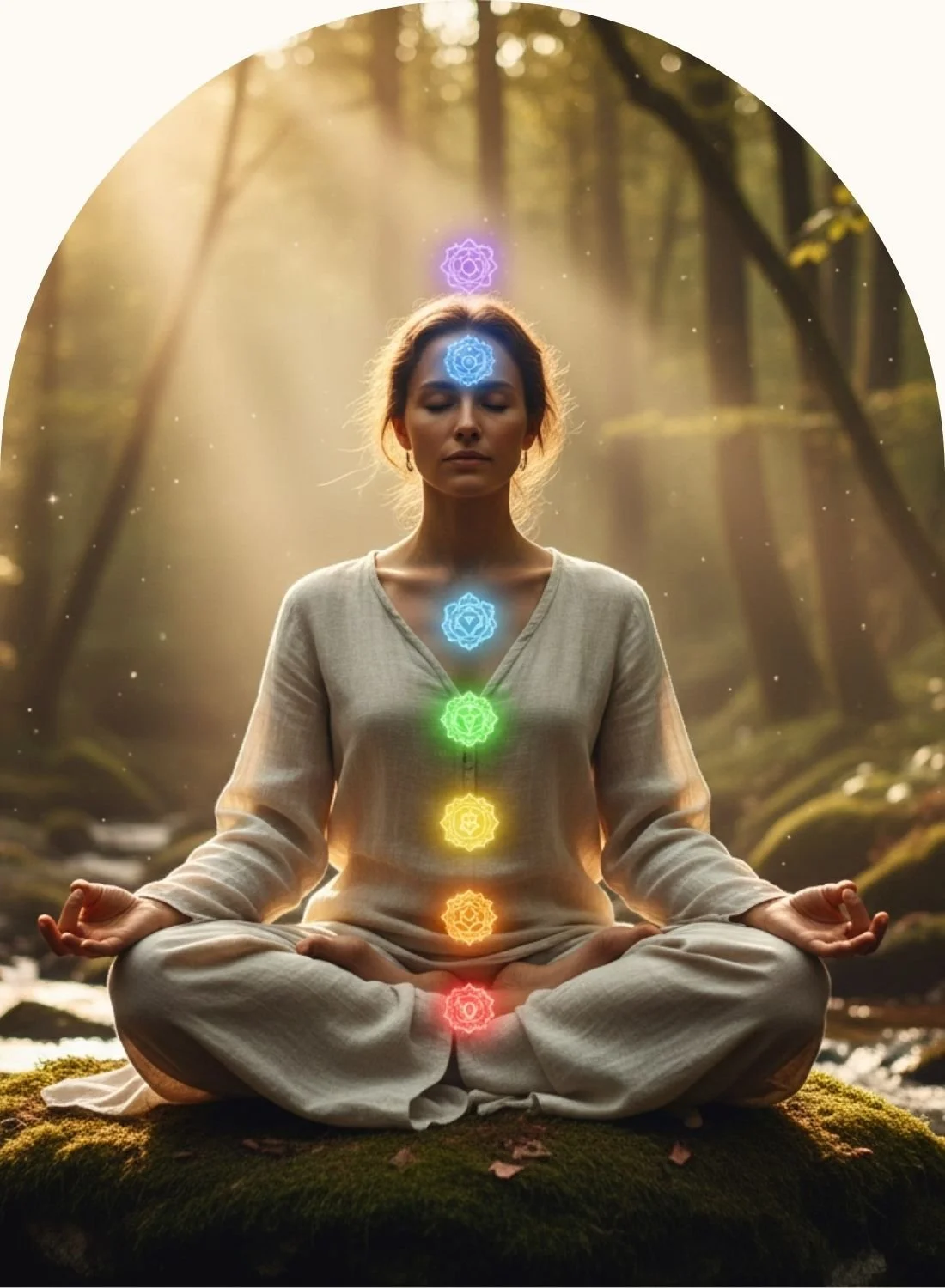
The Architecture of Consciousness
In yogic and tantric traditions, the body is understood as a living map of consciousness itself. At the heart of this map lies the chakra system: energy centres that serve as gateways between the physical and subtle realms of our being.
Chakra is Sanskrit for "wheel," and these wheels of energy spin along the central channel of the body, from the base of the spine to the crown of the head. They're not organs you can dissect or measure with instruments, yet their influence on our vitality, emotions, creativity and spiritual awareness is profound and undeniable.
I've witnessed countless times how working with the chakras—whether through bodywork, breath, movement or conscious awareness—transforms not just how people feel, but how they experience life itself. When energy flows freely through these centres, we feel alive, creative, connected and purposeful. When blocked or imbalanced, we may experience physical tension, emotional reactivity, creative stagnation or a sense of disconnection from ourselves and the world.
The Subtle Body: Nadis and Chakras
Before exploring each chakra individually, it helps to understand the broader energetic architecture of the body. Yogic texts describe approximately 72,000 nadis—subtle channels through which prana (life force energy) flows. Think of these as rivers of consciousness moving through your being.
Where these nadis intersect in particularly concentrated ways, chakras form—spiralling vortices of energy that both receive and radiate vitality. Whilst there are said to be 88,000 chakras throughout the body, seven primary chakras along the spine receive the most focus in tantric and yogic practice.
These seven chakras sit at the intersection points of three main nadis:
Ida: The lunar, cooling, feminine channel running along the left side
Pingala: The solar, heating, masculine channel running along the right side
Sushumna: The central channel running directly up the spine
When these channels are clear and balanced, energy moves freely. When blocked by tension, trauma, conditioning or unconscious patterns, we experience the symptoms of imbalance—physically, emotionally, mentally and spiritually.
The Seven Primary Chakras: The Channel from Root to Crown
Each chakra governs specific aspects of our human experience, from our most primal survival instincts to our capacity for transcendent consciousness. They're not separate from each other but rather form an integrated system—what affects one inevitably influences the others.
Let's explore each chakra, understanding not just what it is, but how to recognise when it's balanced or imbalanced, and how to work with it consciously.
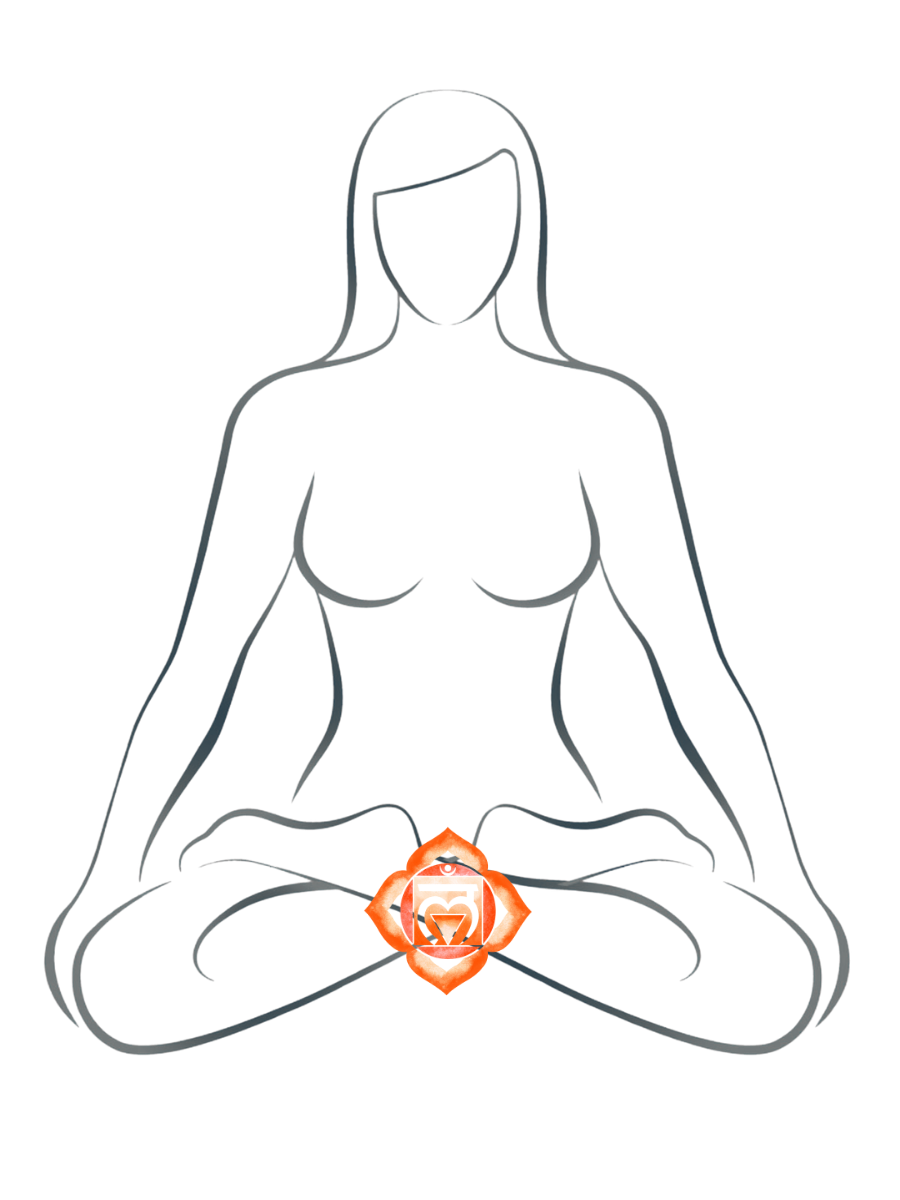
Root Chakra
Muladhara
Location: Base of the spine, pelvic floor
Element: Earth
Colour: Red
Qualities: Groundedness, safety, vitality, embodiment, survival, primal sexuality
The root chakra is your foundation—your connection to the physical world, your body, and your right to exist and take up space. It governs basic survival needs: safety, shelter, nourishment, and the primal life force that keeps you here, alive and embodied.
When balanced: You feel grounded, secure in your body, capable of meeting life's challenges. Your boundaries are clear, your vitality is strong, and you move through the world with confidence and presence.
When excessive: Energy here can manifest as aggression, territorialism, hoarding behaviour or an over-focus on material security at the expense of other dimensions of life. There may be rigidity, resistance to change, or difficulty trusting others.
When deficient: You might feel ungrounded, anxious, scattered or disconnected from your body. There may be difficulty completing tasks, chronic disorganisation, or a sense of not quite being "here" in your life. Fear and insecurity can dominate.
Working with the root chakra:
Walk barefoot on earth regularly
Practice grounding exercises and strong standing poses
Work with your breath, drawing energy down into your pelvis
Address survival fears and safety concerns directly
Engage in physical activity that builds strength in your legs and core
For excess: vigorous movement and intellectual engagement help balance
For deficiency: slow, intentional practices that build presence and completion
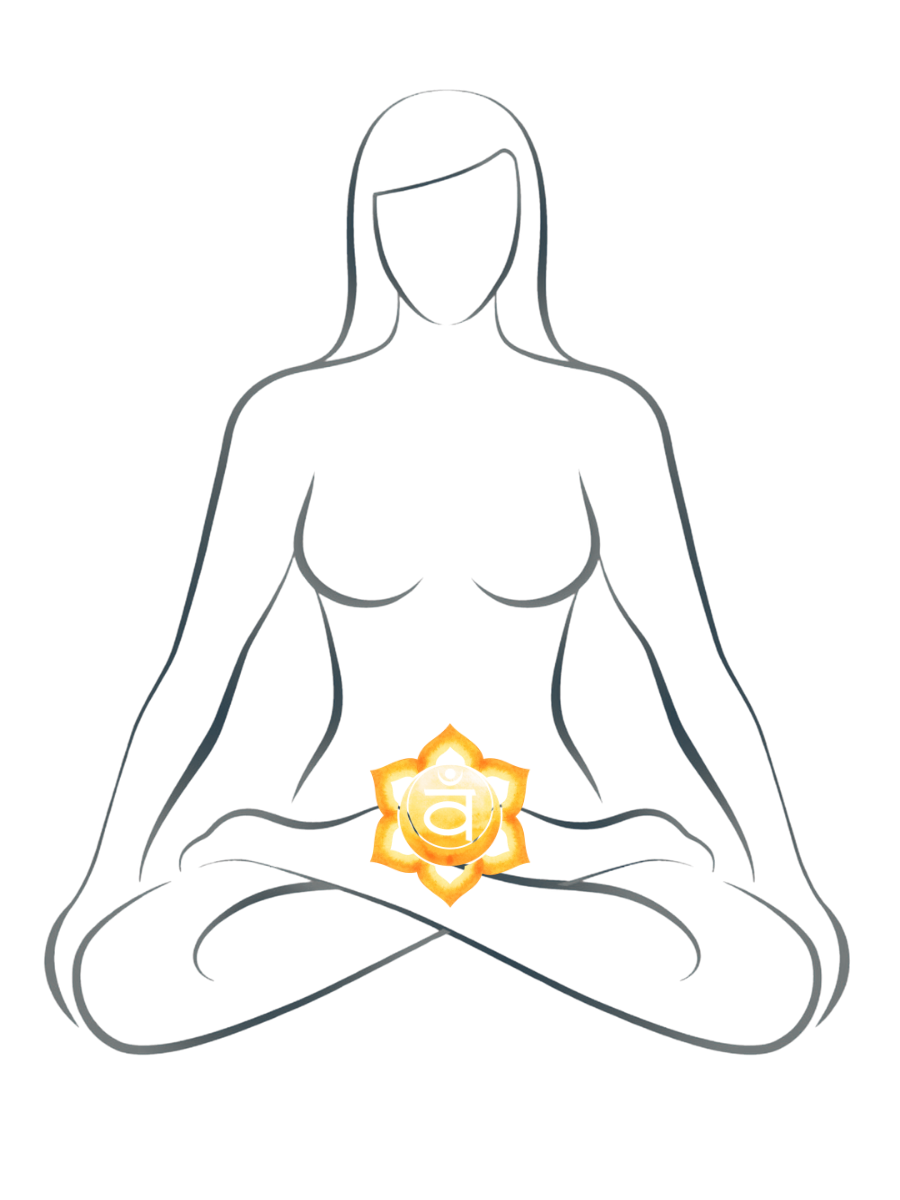
Sacral Chakra
Svadhisthana
Location: Lower belly, below the navel
Element: Water
Colour: Orange
Qualities: Sensuality, pleasure, creativity, emotion, flow, adaptability
The sacral chakra is your centre of feeling, pleasure and creative expression. It governs sensuality, sexuality (beyond the primal drive of the root), emotional intelligence, and your capacity to experience and create beauty, connection and joy.
When balanced: You flow with life's changes like water. You're creative, sensual, emotionally intelligent and able to experience pleasure without guilt or excess. Relationships feel nourishing, and you express yourself authentically.
When excessive: There may be emotional volatility, drama, manipulation, or addiction to pleasure and intensity. Boundaries blur, and there's difficulty saying no to desires even when they don't serve you. Codependency and emotional overwhelm are common.
When deficient: You might feel emotionally numb, creatively blocked, or disconnected from pleasure and sensuality. Guilt around enjoying life, rigidity, and difficulty with intimacy or authentic self-expression may arise.
Working with the sacral chakra:
Dance, especially with hip-focused movement
Spend time near water—swim, bathe, walk by rivers or ocean
Explore creative and sensual expression without judgment
Practice receiving pleasure consciously
Work with breath in the lower belly
Address shame, guilt or trauma around sexuality and pleasure
For excess: grounding practices and healthy boundaries
For deficiency: gentle exploration of sensation and permission to feel
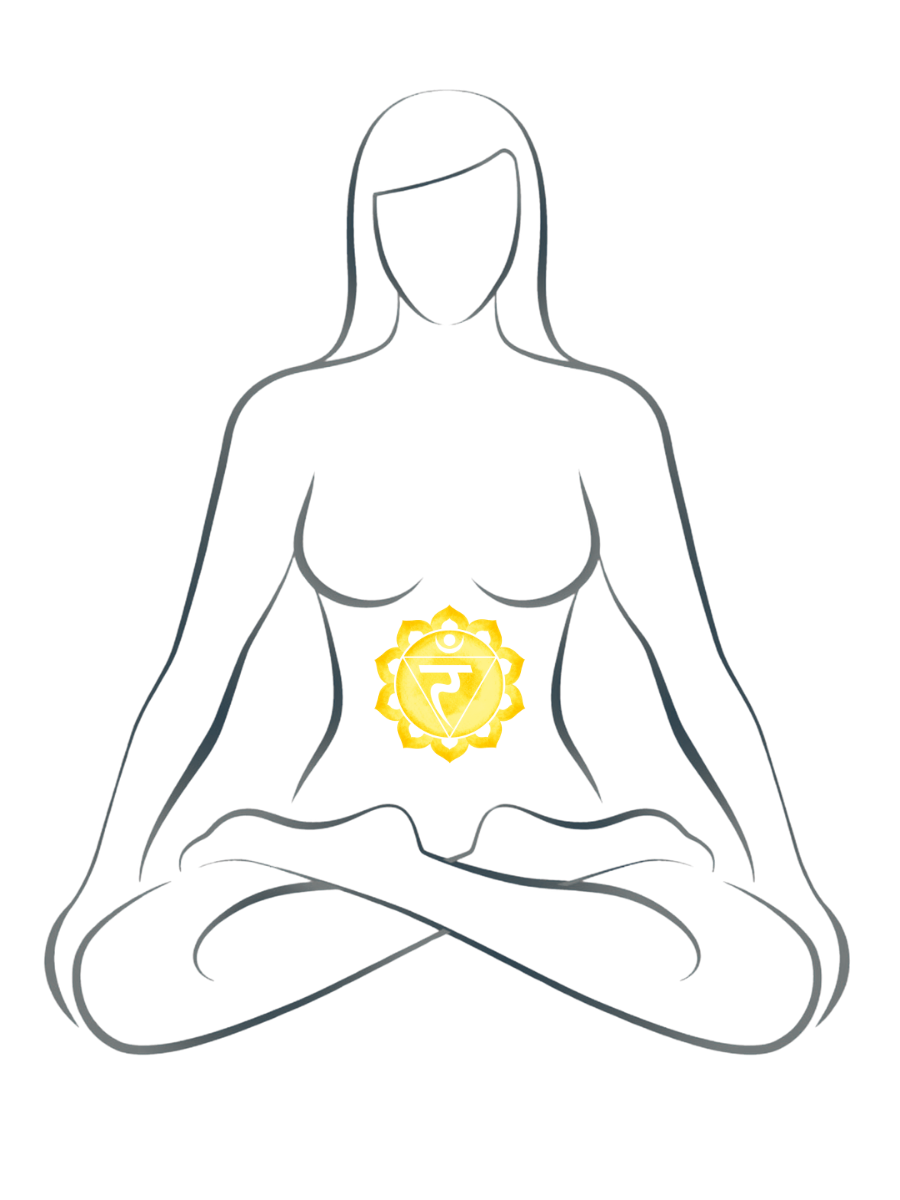
Solar Plexus Chakra
Manipura
Location: Upper abdomen, around the navel
Element: Fire
Colour: Yellow
Qualities: Personal power, will, confidence, self-esteem, purpose, digestion (of food and life)
Known as the "city of jewels," the solar plexus is your power centre. It governs your sense of self, your will, your ability to take action and your capacity to digest—both food and life experiences. This is where you discover and embody your personal sovereignty.
When balanced: You have healthy self-esteem, clear boundaries, and the ability to take decisive action aligned with your values. You lead yourself well and can guide others without dominating. There's warmth, confidence and purposeful direction.
When excessive: There may be domineering behaviour, need for control, competitiveness, workaholism, or inability to collaborate. Relationships become power struggles. There's heat, anger and an insatiable drive that exhausts both self and others.
When deficient: You might struggle with low self-worth, indecisiveness, lack of direction, or difficulty standing up for yourself. There's a tendency to give your power away, seek constant approval, or feel inherently inferior to others.
Working with the solar plexus:
Core-strengthening practices
Spend time in sunlight
Set and achieve small goals to build confidence
Practice healthy assertion and boundary-setting
Work with fire breath (kapalabhati)
Address shame, worthlessness or power wounds
For excess: softening practices, collaboration, humility
For deficiency: empowerment practices, small acts of courage
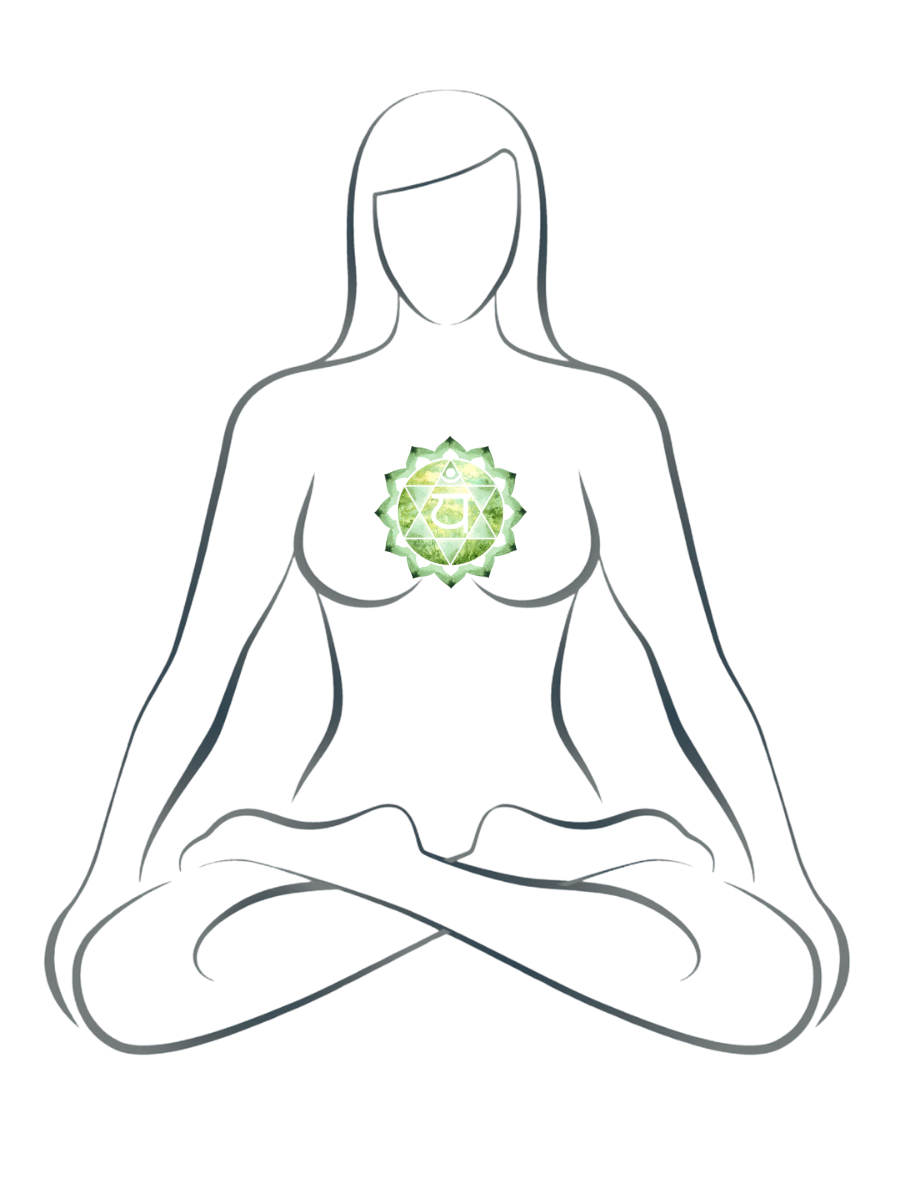
Heart Chakra
Anahata
Location: Centre of chest
Element: Air
Colour: Green
Qualities: Love, compassion, connection, acceptance, grief, forgiveness
Anahata means "unstruck" or "unhurt"—pointing to a love that exists prior to and beyond all wounding. The heart chakra is the bridge between the lower three chakras (rooted in the physical) and the upper three (oriented toward the spiritual). It's where we experience unconditional love, deep compassion, and authentic connection.
When balanced: You love freely without losing yourself. You're compassionate without being depleted, connected without being enmeshed. You can give and receive love, set boundaries from love rather than fear, and hold space for both joy and grief.
When excessive: There may be codependency, giving at the expense of self-care, difficulty saying no, or being overwhelmed by others' pain. Boundaries dissolve, and you may lose yourself in service or relationships.
When deficient: You might feel closed off, unable to trust, cynical about love, or disconnected from others. There's difficulty receiving care, expressing affection, or allowing vulnerability. Relationships feel transactional rather than heartfelt.
Working with the heart chakra:
Spend time in nature
Practice heart-opening yoga poses
Cultivate gratitude daily
Work with forgiveness (of self and others)
Allow yourself to feel and express grief
Connect authentically with chosen community
For excess: strengthen boundaries whilst staying open
For deficiency: small acts of vulnerability and receiving

Throat Chakra
Vishuddha
Location: Throat
Element: Ether/Space
Colour: Blue
Qualities: Authentic expression, truth, communication, creativity, voice
Vishuddha means "purification." The throat chakra governs how you express your unique truth, creativity and essence in the world. It's about finding and using your voice—not just literally, but in all forms of authentic self-expression.
When balanced: You speak your truth clearly and kindly. You listen deeply. You express yourself creatively without inhibition. There's alignment between your inner truth and outer expression.
When excessive: There may be talking excessively, intellectualising emotions, gossiping, or speaking over others. Communication becomes scattered, aggressive or dishonest. There's difficulty listening or being present.
When deficient: You might struggle to speak up, express your needs, or share your creativity. There's fear of judgment, tendency toward dishonesty (including with yourself), or difficulty articulating thoughts and feelings.
Working with the throat chakra:
Singing, chanting, toning
Creative expression (writing, art, music)
Practice speaking your truth in small, safe ways
Journaling to clarify thoughts
Mantra practice
Address fear of judgment or experiences of being silenced
For excess: practice deep listening and silence
For deficiency: begin with written expression, then vocal
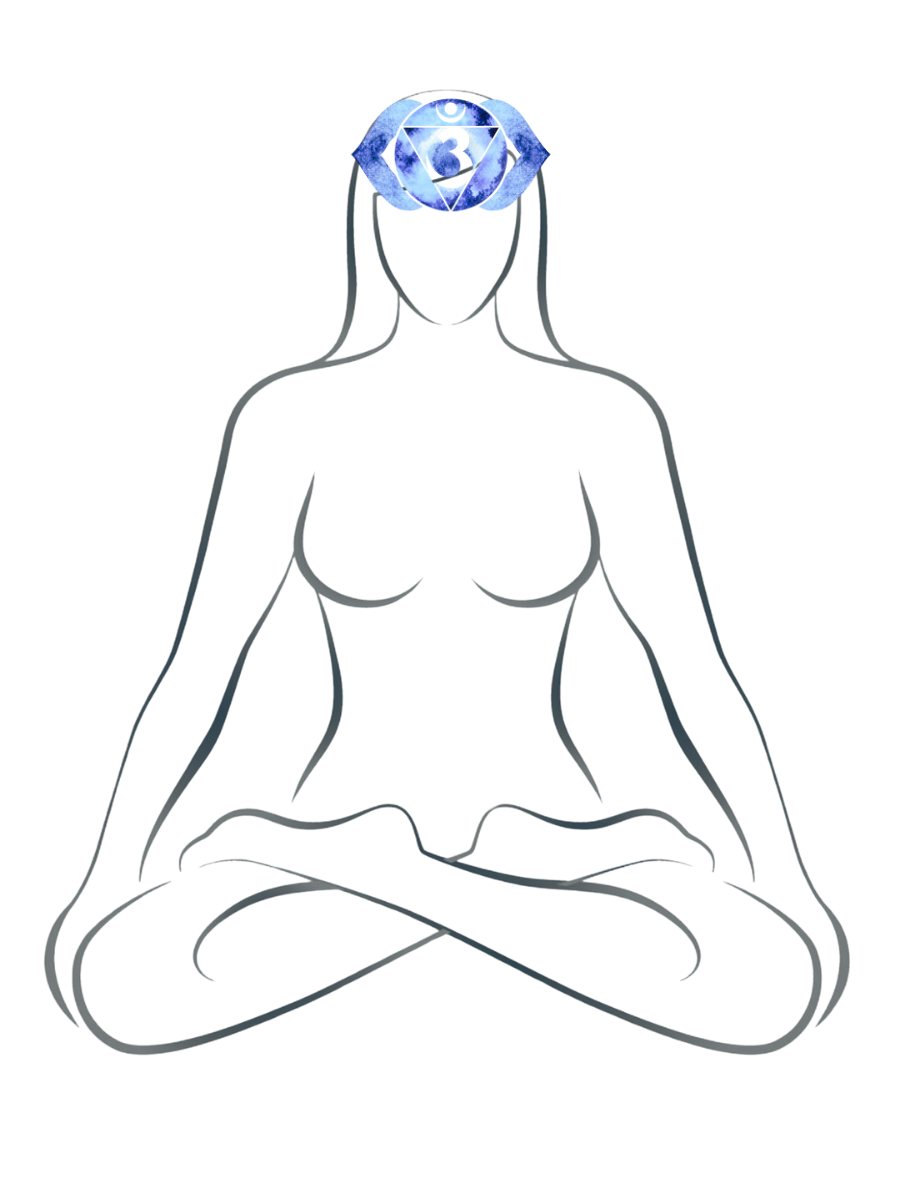
Third Eye Chakra
Ajna
Location: Between the eyebrows
Element: Light
Colour: Indigo
Qualities: Intuition, insight, vision, imagination, wisdom, inner knowing
Ajna means "command" or "perceive"—this is the seat of inner vision, intuition and higher wisdom. It's where you perceive beyond the physical senses, access insight, and connect with guidance beyond rational thought.
When balanced: You trust your intuition whilst staying grounded in reality. You have clarity of vision, both for your life and in understanding others. Dreams, symbols and synchronicities speak to you. Imagination and logic dance together.
When excessive: There may be living in fantasy, disconnection from the body and physical reality, over-intellectualising, or getting lost in visions without grounding them. Manipulation through "spiritual" knowledge can arise.
When deficient: You might dismiss intuition, struggle with imagination or visualisation, feel confused about life direction, or be overly rigid in rational thinking. There's difficulty accessing inner guidance or trusting what you sense.
Working with the third eye:
Meditation focused on the brow point
Visualisation practices
Dream journaling
Spend time in darkness or with eyes closed
Practice discerning intuition from fear/desire
Balance with grounding practices for the lower chakras
For excess: ground in the body and physical world
For deficiency: begin trusting small intuitive hits
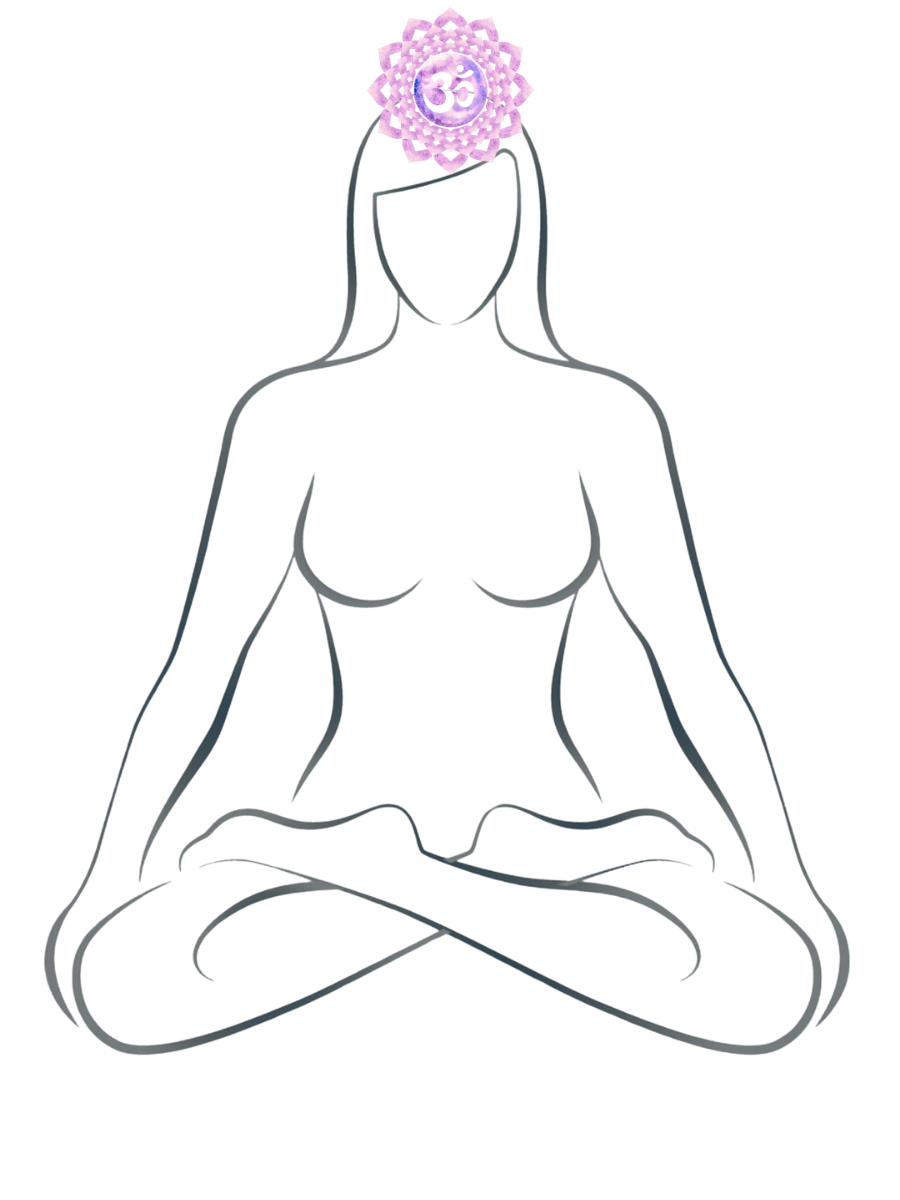
Crown Chakra
Sahasrara
Location: Top of the head
Element: Consciousness itself
Colour: Violet or white
Qualities: Connection to source, transcendence, unity, pure awareness, bliss
Sahasrara means "thousand-petaled"—depicted as a lotus with infinite petals representing boundless wisdom. The crown chakra is your connection to something greater than your individual self—whether you call it divine, universal consciousness, source or simply the vast mystery of existence.
When balanced: You experience connection to something larger whilst remaining grounded in your humanity. There's a sense of purpose, meaning and trust in life's unfolding. Moments of transcendence arise naturally without seeking them.
When excessive: There may be spiritual bypassing, addiction to transcendent experiences, disconnection from practical life, difficulty functioning in the physical world, or using spirituality to avoid facing earthly challenges.
When deficient: You might feel disconnected from meaning or purpose, cynical about spirituality, or trapped in material concerns. There's difficulty accessing peace, wonder or a sense of connection to anything beyond the individual self.
Working with the crown chakra:
Meditation and silent contemplation
Fasting or simplified eating
Spending time in expansive natural settings
Reducing overstimulation and substances
Cultivating gratitude and wonder
Balance ALL other chakras first—crown development without foundation is destabilising
For excess: ground through body, relationships, practical tasks
For deficiency: create space for stillness, question materialist assumptions
Integration: The Chakras as a Living System
The chakras are an integrated system where each centre influences and is influenced by the others. Someone with a blocked throat chakra, for example, might also struggle with sacral expression (emotional honesty) or solar plexus activation (speaking with authority).
True balance isn't about perfecting each chakra individually but rather cultivating flow throughout the entire system. Think of it like a musical scale—each note matters, but it's the harmony between them that creates the symphony.
Signs of a balanced chakra system:
Vitality and physical wellbeing
Emotional resilience and authenticity
Clear sense of self and healthy boundaries
Loving relationships with self and others
Authentic self-expression and creativity
Clarity of thought and intuitive knowing
Sense of meaning, purpose and connection
Common causes of chakra imbalances:
Unresolved trauma or emotional wounds
Cultural conditioning and limiting beliefs
Chronic stress and nervous system dysregulation
Disconnection from body, nature or community
Lack of practices that cultivate presence and awareness
Working with Your Chakras Through Tantra
In tantric practice, we work with the chakras not as lived, embodied realities. Through breath, movement, sound, visualisation and conscious touch, we learn to sense, activate and balance these energy centres. It's about creating conditions for natural flow, removing obstacles and allowing your innate intelligence to restore balance.
Some foundational practices:
Breathwork: Directs prana through specific chakras
Asana/movement: Opens channels and releases holding patterns
Sound: Mantra and toning resonate specific frequencies
Visualisation: Focuses awareness and intention
Meditation: Cultivates witness consciousness
Bodywork: Releases stored tension and trauma
The chakra system offers a map, but you are the territory. Your direct experience—what you feel, sense and know in your body—is always more important than any theoretical understanding.
Ready to Explore Your Chakra System?
If you're curious about working with your chakras more deeply, we offer sessions and practices that help you:
Identify where your energy is blocked or imbalanced
Release stored tension and trauma through bodywork
Cultivate presence and awareness in each energy centre
Restore natural flow throughout your entire system
Integrate chakra work with breath, movement and meditation
This is embodied work. Together, we create space for your energy to move, shift and find its natural balance.