The Baseline Breath: Diaphragmatic Breathing for Nervous System Regulation
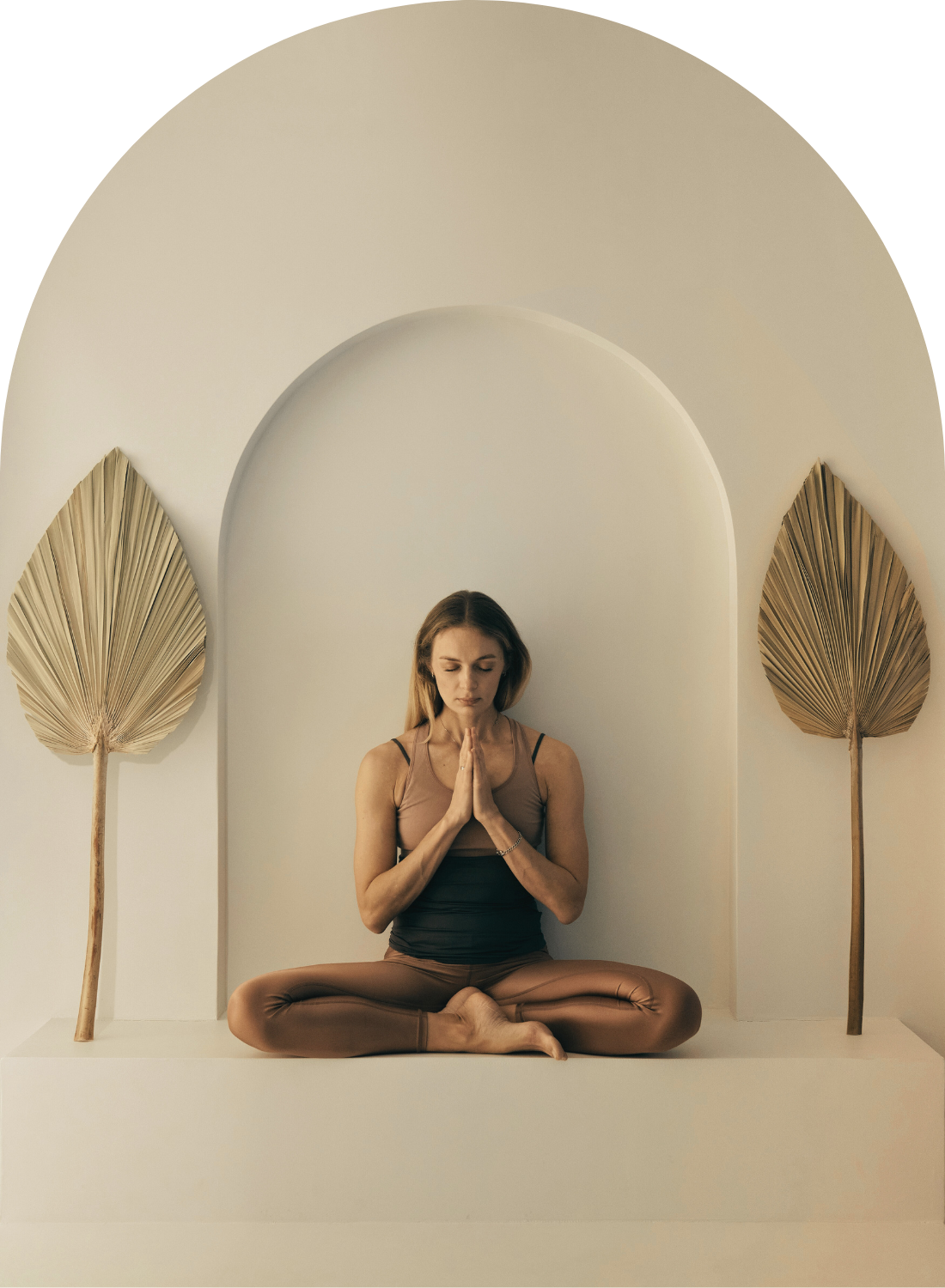
The Foundation of Embodied Transformation
In all the work we do—yoni massage, de-armouring, shadow integration, energy work—there's one practice that underlies everything else. It's not exotic. It's not complicated. It's not something that requires years of training to access.
It's breath. Specifically, it's what we call the baseline breath: deep, diaphragmatic breathing that engages the belly, regulates the nervous system and allows the body to remember what safety feels like.
This is where everything begins. Before energy can move, before tension can release, before transformation can occur, the body needs to feel safe enough to let go. And the fastest, most reliable way to signal safety to your nervous system is through conscious breathwork.
We've witnessed this countless times in sessions: clients arrive carrying years of tension, trauma and conditioning. Their breath is shallow, trapped in the chest, held tight by an unconscious belief that letting go isn't safe. And then we guide them into the baseline breath—simple, steady, deep diaphragmatic breathing—and something shifts. The body begins to soften. The mind begins to quiet. Permission emerges to finally let go and allow something greater to move through them.
This is not about performing advanced pranayama or mastering complex breathing techniques. This is about returning to what your body knew how to do before stress, fear and survival mode taught you to breathe shallow and small. This is about coming home.
What Is Diaphragmatic Breathing?
Diaphragmatic breathing—also called abdominal breathing or belly breathing—engages the diaphragm, the dome-shaped muscle beneath your lungs. When you breathe this way, your belly expands on the inhale and relaxes on the exhale, creating a gentle, wave-like rhythm that soothes the nervous system and signals to your body: You're safe. You can relax now.
Young children naturally breathe diaphragmatically when they feel secure. Watch a baby sleeping, and you'll see their belly rise and fall in perfect, effortless rhythm. But as we grow, as stress accumulates, as we learn to hold ourselves tight against a world that often feels threatening, we lose this natural breathing pattern. We begin breathing shallow and high in the chest—a breathing pattern associated with the stress response, with fight, flight, fawn or freeze.
The baseline breath reverses this. It's the body's reset button, the way back to centre, the foundation upon which all deeper practice is built.
How Diaphragmatic Breathing Regulates Your Nervous System
Your nervous system has multiple states of activation:
Sympathetic nervous system activation - the "fight, flight or fawn" response triggered by stress, danger or perceived threat. This is survival mode: your body preparing to defend itself, escape or appease. It's useful when you actually need to respond to danger, but devastating when it becomes your default state.
Parasympathetic nervous system activation has two branches:
Ventral vagal activation - the "rest, digest and restore" response that allows your body to heal, integrate and simply be. This is where transformation happens. This is where the body feels safe enough to release what it's been holding. This is social engagement, connection and true relaxation.
Dorsal vagal activation - the "freeze" response that occurs when the nervous system determines that fight, flight or fawn won't work. This is shutdown, collapse, dissociation. The body plays dead or goes numb as a last-resort survival strategy
Diaphragmatic breathing activates the ventral vagal branch of the parasympathetic nervous system through gentle stimulation of the vagus nerve, which runs from your brainstem down through your diaphragm. When you breathe deeply into your belly, you're essentially telling your vagus nerve—and through it, your entire nervous system—that it's safe to let go of defensive activation (sympathetic) or shutdown (dorsal vagal) and enter a state of calm, connected presence (ventral vagal).
The Baseline Breath Technique: Step-by-Step Practice
This breathwork technique isn't complicated, but it does require attention, especially if you've been breathing shallow for years.
1. Find a comfortable position Sit or lie down where you feel supported and safe. Allow your body to relax fully.
2. Place your hands for awareness Put one hand on your chest and one on your belly. This helps you feel where your breath is moving and ensures you're engaging the diaphragm rather than breathing shallowly into the chest.
3. Inhale through your nose Slowly, gently, draw breath in through your nose. Feel your belly expand under your hand. Your chest should remain relatively still—the movement is in the diaphragm, in the belly. This is the essence of diaphragmatic breathing.
4. Exhale through your mouth Release the breath through your mouth with a gentle sigh or simply let it flow out naturally. Feel your belly soften and relax.
5. Find your natural rhythm Don't force anything. Let your breath find its own natural pace—slow, steady, wave-like. Aim for breaths that feel full but not strained, relaxed but not unconscious. Many practitioners find a 4-count inhale and 6-count exhale creates ideal nervous system regulation.
6. Practice consistently Even just 5-10 conscious breaths can shift your state. Regular breathwork practice—even a few minutes daily—retrains your nervous system to default to diaphragmatic breathing rather than shallow chest breathing.
The goal is first presence. Then permission. Then restoring rhythm. It's coming back to your body and giving yourself the gift of feeling safe enough to breathe fully.
Benefits of Diaphragmatic Breathing for Stress and Anxiety
Regular practice of the baseline breath offers profound benefits for both physical and mental wellbeing:
Stress relief: By activating the parasympathetic nervous system, diaphragmatic breathing directly counteracts the stress response, reducing cortisol levels and promoting a felt sense of calm.
Anxiety reduction: Conscious breathwork interrupts anxious thought patterns and grounds you in the present moment, making it one of the most effective anxiety management techniques available.
Improved sleep: Practising diaphragmatic breathing before bed signals to your body that it's safe to rest, improving sleep quality and helping with insomnia.
Enhanced emotional regulation: When your nervous system is regulated through breath, you're less reactive and more capable of responding to life's challenges with clarity rather than overwhelm.
Physical health benefits: Deep breathing improves oxygenation, supports immune function, aids digestion and can help lower blood pressure over time.
Increased body awareness: Regular breathwork practice develops interoception—your ability to sense what's happening inside your body—which is foundational for all embodied practices.
The Baseline Breath in Tantric and Somatic Practice
In tantric traditions, conscious breathing is the foundation of all practice. Before working with sexual energy, before exploring altered states, before attempting to circulate life force through the chakras, practitioners must first master the breath. The baseline breath is where this mastery begins.
In our sessions—whether bodywork, tantric coaching or energy practices—the baseline breath is always the starting point. Before we touch the body, before we work with energy, before we address trauma or tension, we establish breath. We guide you into this foundational breathing pattern because everything else builds from here.
When you're working with yoni or lingam massage, diaphragmatic breathing allows sensation to spread throughout your body rather than remaining localised or overwhelming. When you're doing de-armouring work, it provides the nervous system regulation needed for stored tension to release safely. When you're exploring shadow material or difficult emotions, it keeps you anchored and present rather than dissociating or shutting down.
The breath becomes your anchor, your refuge, your way of staying connected to yourself even when the work brings up intensity. And more than that, it becomes the vehicle through which energy moves, through which pleasure expands, through which transformation unfolds.
We've seen it again and again: the moment someone truly drops into the baseline breath, their entire system begins to reorganise. What was tight begins to soften. What was fragmented begins to integrate. What was hidden begins to emerge. Not because we're doing anything to them, but because they've finally given themselves permission to let go and allow something greater to work through them.
Common Mistakes in Diaphragmatic Breathing and How to Avoid Them
As you develop your breathwork practice, watch for these common patterns:
Breathing too high in the chest: If your shoulders rise with each inhale, you're not engaging the diaphragm. Focus on belly expansion instead.
Forcing the breath: Diaphragmatic breathing should feel natural and easeful, not strained. If you're working too hard, slow down and soften.
Holding tension: Notice if you're clenching your jaw, tightening your belly or gripping anywhere in your body. True nervous system regulation requires softness.
Breathing too quickly: Slow, steady breaths are more effective for parasympathetic activation than rapid breathing.
Practising only when stressed: Make the baseline breath a daily practice, not just an emergency tool. This retrains your default breathing pattern.
If You Don't Know Where to Begin, What Kind of Journey Are You Taking?
This is why we call it the baseline breath. It's not just a breathwork technique—it's the practice from which everything else emerges. If you don't have this foundation, if you haven't learned how to breathe in a way that regulates your nervous system and signals safety to your body, then any other practice you attempt will be building on unstable ground.
You can study advanced pranayama techniques. You can learn complex meditations. You can read every book on tantra and embodiment. But if your nervous system doesn't feel safe, if your body is still bracing against life, if you haven't given yourself permission to simply breathe fully and let go—none of it will land the way it could.
The journey of transformation, healing and awakening begins here. With breath. With permission. With the radical act of allowing your body to soften, to receive, to trust that it's safe enough to let go of the grip you've been holding for so long.
This is where we start. Always. And if you commit to this simple breathwork practice, you'll discover it's not simple at all—it's profound. It's the doorway. It's the foundation. It's the beginning of everything.
Learning Diaphragmatic Breathing and Nervous System Regulation
If you're ready to learn this foundational breathwork practice and discover how it supports deeper embodied work—whether that's bodywork, shadow integration, energy cultivation or sacred intimacy—we offer sessions and teachings where breath is always the starting point.
We'll guide you into the baseline breath, help you experience what true nervous system regulation and safety in your body feels like, and show you how this simple diaphragmatic breathing technique becomes the foundation for profound transformation.
Because if you don't know where to begin, what kind of journey are you really taking?
Explore breathwork our sessions and tantric teachings that begin with the breath.